Why website maintenance matters for security and performance
When your website launches you might feel like it’s all done and dusted. The layout and design have been finalised, forms function properly, information is up-to-date and all the necessary software is running as the developer intended.
But be mindful: Web browsers update their versions, software developers create patches to fix bugs, search engine tracking methods evolve, pages and images are added which add weight and links eventually expire. While much of the deterioration happens quietly, many areas of a website can appear just fine while a form stops working, a known security hole still exists or search engines start indexing webpages containing spam under the company’s name.
Regular website maintenance is what maintains the “moving” parts of your site, keeping them secure and usable.
Neglecting regular website maintenance is a threat to your security
According to the UK Government’s Cyber Security Breaches Survey 2025-2026, 43% of UK companies experienced some sort of cyber attack or data breach within the last year. This statistic doesn’t necessarily mean 43% of UK company websites have been compromised, as it includes a wide range of types of attacks including phishing, but still a compelling statistic.
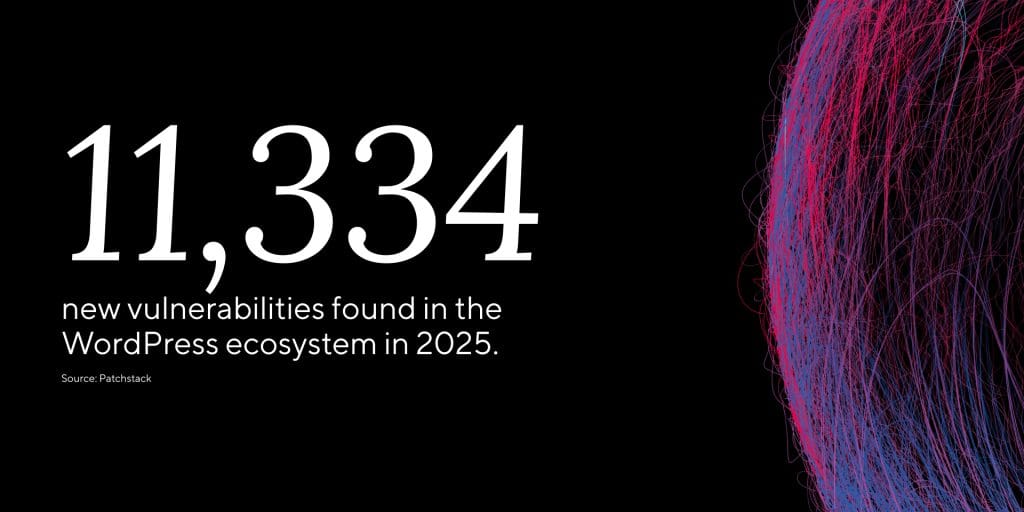
PatchStack noted that in 2025 alone there were 11,334 new vulnerabilities in the WordPress ecosystem and found that this number increased by 42%, compared to the same time frame in 2024. Of these 11,334 new vulnerabilities, 91% occurred in plugins and 9% in themes.
The first step to reducing risk is to understand the threat
You’d probably notice if someone changed everything on your home page, but hackers typically don’t behave like that. Bad actors may insert malicious code directly into your web pages and hide text or links you don’t want visitors to click. Many hacks are designed to be completely invisible to you, while search engine bots and people browsing your website see something entirely different.
This creates a specific business problem. As Google explains, when Google sees that you have been infected with malware it could display a “Deceptive Site Ahead” warning to Chrome users before they visit your website. Not something you want.
Website maintenance helps protect against security vulnerabilities and SEO problems
Your website’s search engine rankings can suffer even if there isn’t a major technical issue. The more additional scripts you install, the larger images you upload and plugins you enable, the older your template gets, the more likely it is that your website will become slower and less reliable over time. Google’s Core Web Vitals help assess how fast, responsive and visually stable your webpages are.
Google also states that Core Web Vitals are utilised for ranking sites by their algorithms, but notes that having high Core Web Vitals does not ensure a #1 spot. It simply makes for a better user experience.
Many of the most costly website failures are routine
- 01 A contact form seems to work but returns errors from a spam filtering application.
- 02 An update to a payment gateway causes a failure in checkout on one device.
- 03 A product feed stops updating.
- 04 Double firing of an analytics tag quietly compromises the data relied upon for making marketing decisions.
What items should a website maintenance plan include?
Each site will vary based on its platform, traffic, data and commercial importance. Depending on the website and agreed level of support, a maintenance plan may include some or all of the following:
- Controlled updates: plugin, theme and server updates tested on staging before they go live, with a backup taken first.
- Security monitoring: Malware, vulnerability alerts etc.
- Access control: Strong unique passwords, two-factor authentication, removal of dormant administrator accounts.
- Recoverable backups: Independent backups at regular intervals
These are some of the basics to build in for increased security in a perpetually evolving online environment. Exact responsibilities, monitoring frequency and response times should always be confirmed with the provider.
How often should a website be maintained?
The site should be maintained monthly at a minimum. In reality, there’s no truthful universal response to how many times you should maintain a website. If there is a high-priority vulnerability, it will require immediate action – don’t wait until the next convenient quarterly meeting. Sites with frequently changing content may need backup every day, whereas sites with low content changes may have fewer backup needs.
No reputable agency should provide assurance that maintenance makes a website unhackable. Flaws in systems, vendor failures and users making mistakes create new potential avenues of attack. With this in mind, performing maintenance on a website does reduce the amount of unnecessary exposure, shortens the time frame in which a problem exists undetected and gives a business a proven means of recovery.
If you’re uncertain about when your website was last appropriately reviewed, our digital team can evaluate the technical health of your website.
View All Blog Posts →