Building growth
for Reclaimed Brick Company
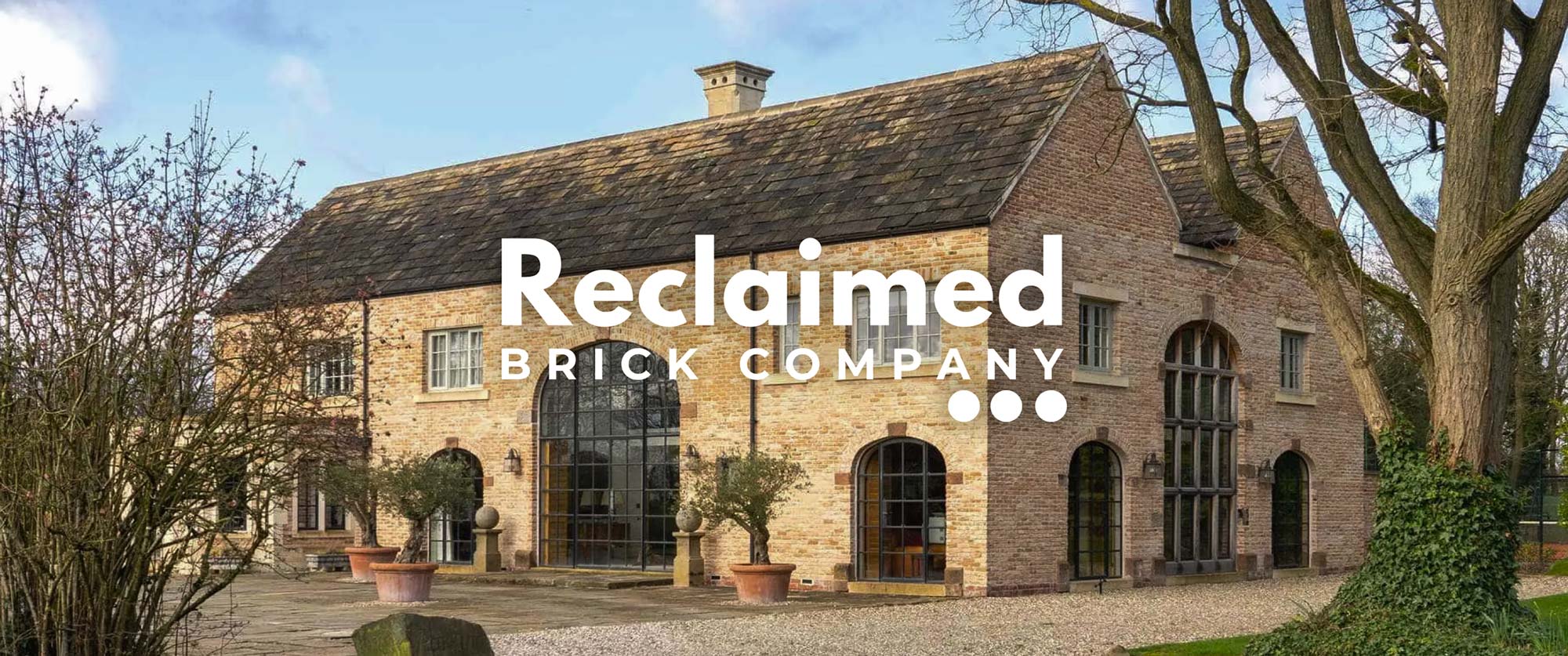
Reclaimed Brick Company sells reclaimed and new heritage bricks, brick slips, stone and paving from its yard in Sheffield. Its name is what people often type into Google when they’re after reclaimed bricks – which makes paid search a little trickier than it sounds.
When we began management of the account in November 2021, it was a small test on a low budget, designed to explore the market and what it looked like. Almost five years on, it runs across Search, Shopping, Performance Max, video, Meta and LinkedIn, empowering RBC to thrive in a space its competitors have largely left open.
14.8x
return on ad spend (Feb to Sept 2026)
5M+
impressions in 2026
700+
online transactions from Google Ads (Feb to Sept 2026)
Growing the account without losing efficiency
Brand expression development
The biggest challenge was growing the account and driving traffic efficiently enough to deliver a strong ROAS, and doing it with a brand name that doubles as a generic search term: Reclaimed Brick Company.
The biggest opportunity was the lack of competition across campaign types and the potential to own the space and stake a claim in the market. As investment in the account increased, so did the room for testing campaign types.
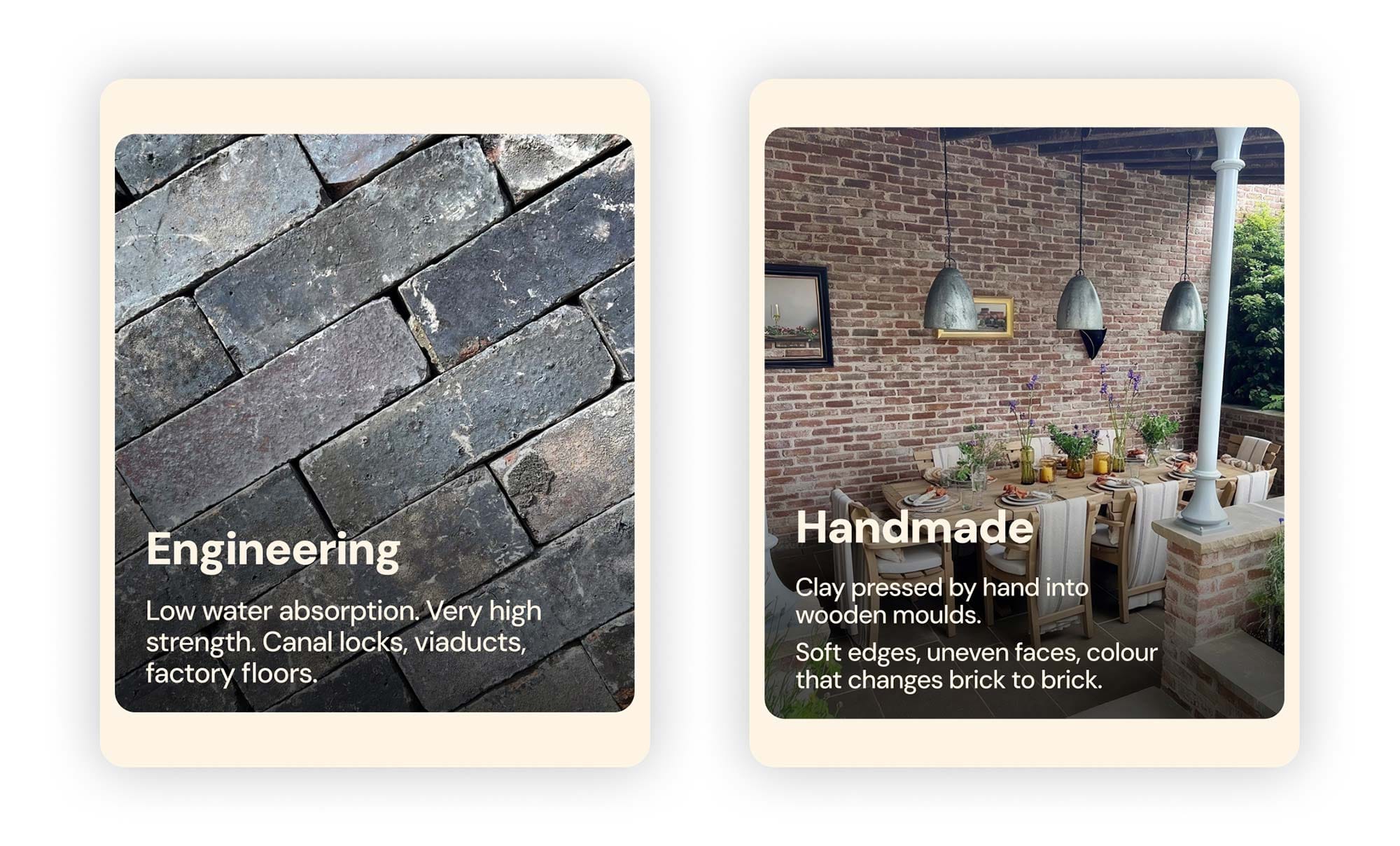
Segmenting the range
The first course of action was to review products and collections and work out how best to segment them.
Our Google Ads approach was built around granular segmentation.
For search, we focused on:
- High-intent terms and top products
- Mid-funnel and generic searches covering other products and generic terms
This gave us greater control over targeting, budget allocation and performance optimisation. It allowed us to prioritise users closest to conversion while still capturing broader demand and reaching customers earlier in their buying journey.
Specific keywords over broad match
Strictly specific keywords and less generics have been key, with a focus on phrase and exact match to get that quality search. Throughout there’s been a low reliance on broad match to maintain efficiencies and traffic quality.
Shopping and Performance Max working together
A split strategy has been utilised with:
- Performance Max capturing demand across Google’s wider inventory with top product focus
- Shopping driving product visibility across the catalogue
This struck a balance between capturing existing demand and expanding product reach. In recent years, the account has moved to a combination of both Shopping and Performance Max, followed by Demand Gen video campaigns.
Tiering the catalogue
We tested the various Shopping campaign types in Google Ads. Smart Shopping proved too costly, so we went back to standard Shopping and split the campaign into tiers. We found that having a tiered approach (key priority, mid and then low) has worked well with budget and sales, and also with getting the right traffic. We can dial each tier on or off, or push it, based on performance.
Budget that follows the trading calendar
Budget was planned around seasonal trends and peak trading periods, with investment weighted towards the strongest-performing campaigns and opportunities for growth. During key trading windows, we introduced additional activity such as YouTube and video campaigns to build awareness, support consideration and generate incremental demand.
We chose this approach because it offered:
- Greater control over spend
- Clearer performance insights
- The flexibility to scale investment where it delivered the strongest commercial returns
We avoided running awareness activity continuously, instead activating it strategically around key periods while keeping the core account focused on efficient demand capture.
Meta and LinkedIn for awareness
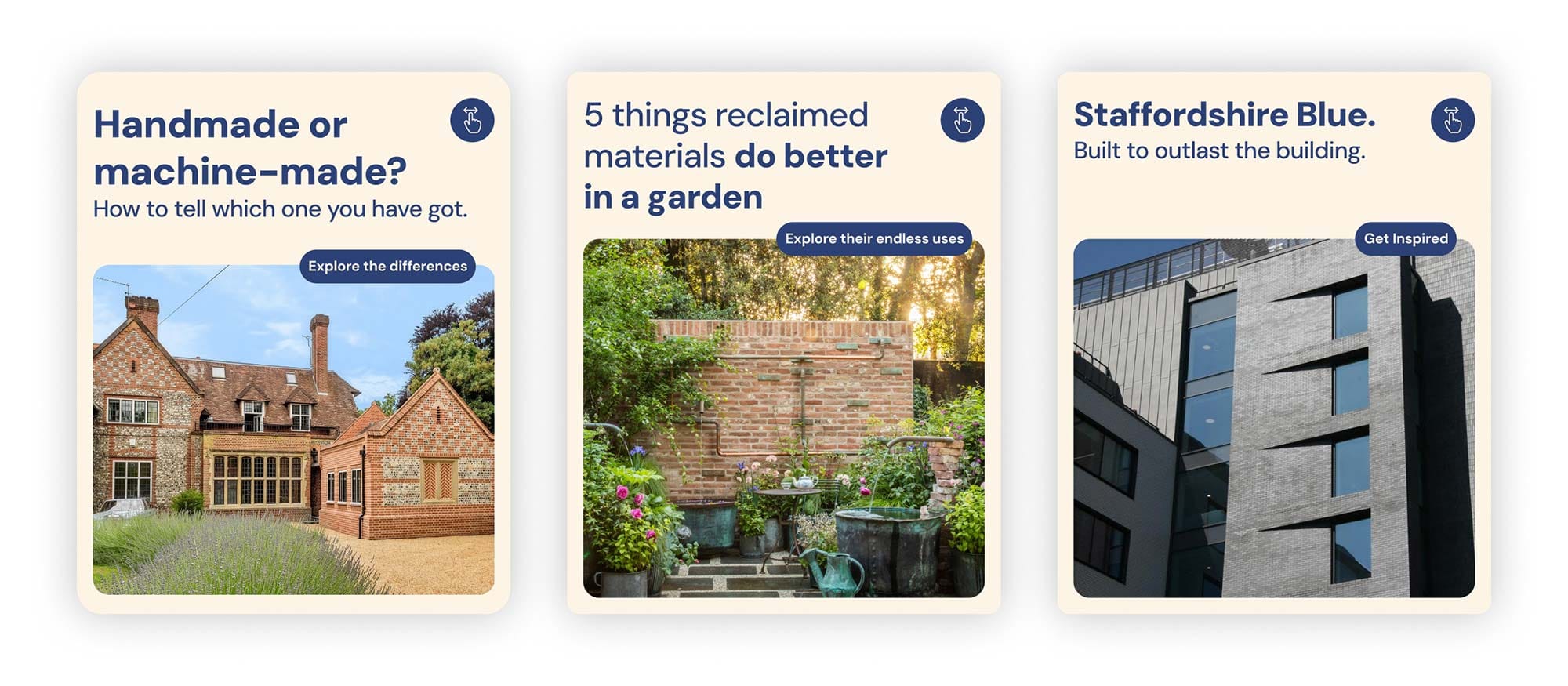
We also added other channels to drive awareness, such as Meta and, in recent months, LinkedIn.
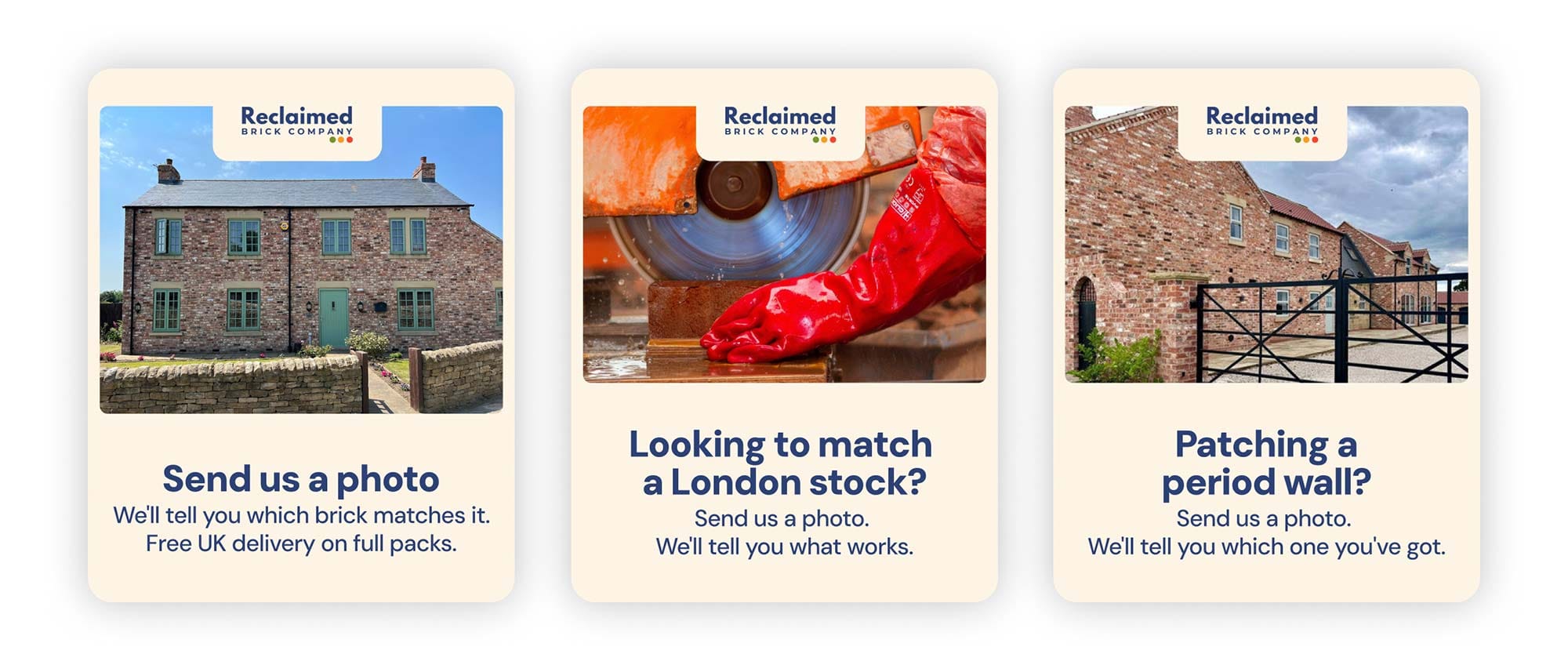
Ad copy has been key to ensure we are relevant to the audience. That means:
- Using RBC’s USPs
- Reflecting the time of year, the season and trade demand in the ads
- Aligning the budget
What it has led to
The low-budget test we started with in 2021 is now an always-on account that RBC can scale with confidence. As investment has grown, returns have held, with Google Ads reporting more than £14 back for every £1 spent between February and September 2026, while keeping RBC’s products in front of hundreds of thousands of searchers each month.
14.8x
return on ad spend (Feb to Sept 2026)
5M+
impressions in 2026
700+
online transactions from Google Ads (Feb to Sept 2026)